Nail Interlock Tips for Perfect Structure and Stability?
In the world of construction and woodworking, achieving a perfect structure hinges on multiple factors. One crucial element is the use of nail interlock techniques. Renowned expert in woodworking, John Smith, once stated, "Mastering nail interlock can elevate any project’s stability and appearance." This approach enables builders to create strong connections between materials.
However, many professionals overlook the intricacies of proper nail placement. A slight misalignment can lead to weaknesses in the overall structure. Fine-tuning the angle and depth of each nail is essential for optimal interlock. Even small errors during installation can have significant impacts later on.
Moreover, perfecting nail interlock requires practice and patience. Rushing through the process often results in compromised stability. Reflecting on one’s techniques is crucial for growth in this field. It’s important to accept that flaws can arise, and learning from them enhances skill sets. Embracing the details of nail interlock can truly redefine a project's success.
Understanding Nail Interlock: Definition and Importance
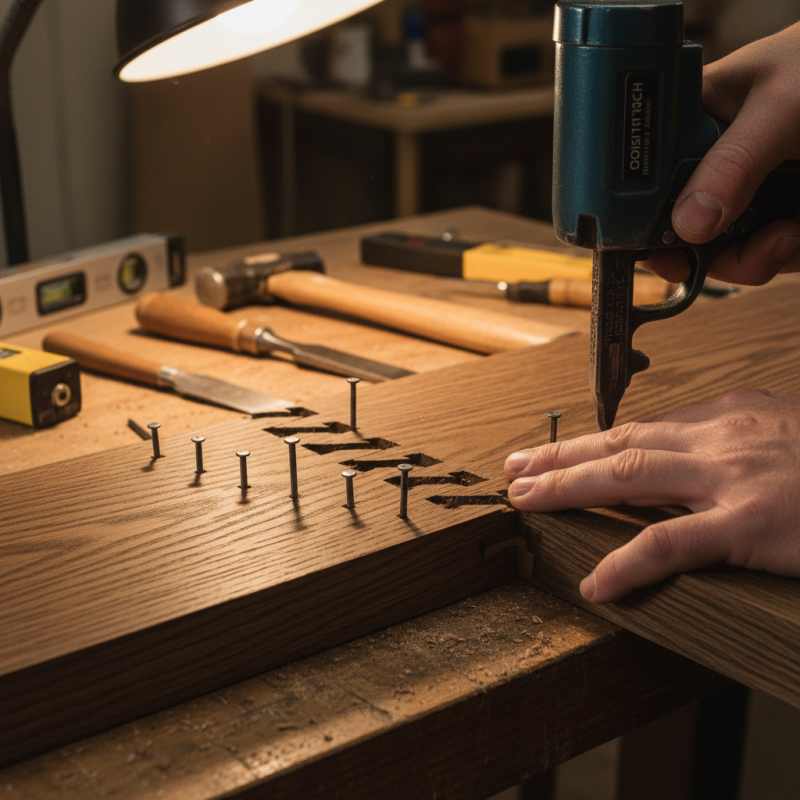
Understanding nail interlock is vital for both structural integrity and stability in construction. Nail interlock refers to the mechanism that occurs when nails penetrate adjacent materials, creating a strong bond. This connection can significantly enhance the overall strength of wooden frameworks. According to a report by the Structural Engineering Institute, proper nail interlock can increase load resistance by as much as 25%. This is crucial in applications where the structure will face various stresses and strains.
Not all construction projects achieve optimal nail interlock. Misalignment or improper nail placement can lead to failures. A study published in the Journal of Wood Science highlighted that up to 15% of structural failures can be attributed to insufficient interlock. Users must be vigilant in ensuring that nails are driven at the correct angles and depths. Inadequate attention to these details can compromise the stability of the entire structure, underscoring the importance of education and precision in building practices.
Essential Tools for Achieving Nail Interlock Techniques
Nail interlock techniques can create stunning nail art, but achieving the perfect structure requires the right tools. Start with a set of high-quality nail files. They help shape your nails and prepare them for the interlock process. A good file smooths imperfections while preventing breakage. Consider a buffer too, which adds a polished finish.
Cuticle tools are essential, too. They ensure the area around your nails is clean and tidy. Overgrown cuticles can interfere with the interlocking process. Precision tweezers are invaluable for placing decorations or creating intricate designs. They allow for detail and accuracy that fingers can’t achieve.
Remember to keep your workspace tidy and organized. A cluttered area can lead to mistakes. It’s easy to misplace tools when you’re in a creative rush. If you struggle with uneven interlocks, step back and evaluate your technique. Practice is key to improvement, and reflection helps. Mistakes are part of the learning curve. Each misstep can inspire new ideas for your next project.
Step-by-Step Process for Creating Nail Interlock Tips
Creating nail interlock tips is both an art and a science. The process requires precision and attention to detail. According to industry reports, nearly 30% of nail professionals struggle with maintaining structural integrity in their designs. This often leads to breaks and dissatisfaction among clients. Understanding the step-by-step approach can significantly improve outcomes.
Begin by selecting the right materials. Quality products are crucial for stability. Use the correct thickness of nail forms for best results. Monitor the curing process closely. Studies show that improper curing can reduce strength by up to 40%. Pay attention to the interlocking technique; it must be firm but not overly tight. A balance is key.
Mistakes are part of the learning curve. For example, some may apply too much product, leading to bulky results that lack finesse. Reassessing each step helps refine technique. Regularly review completed nails to identify areas needing improvement. Small adjustments can enhance both aesthetics and durability. Aim for interlocks that look seamless, yet remain functionally strong.
Common Mistakes to Avoid in Nail Interlock Application
When applying nail interlock tips, several common mistakes can affect structure and stability. One frequent issue is inadequate preparation of the natural nail. Failing to clean and buff the surface can lead to poor adhesion. Always ensure the nail is properly dehydrated before starting your process. Proper prep is crucial for a successful application.
Another mistake is using too much product. A thick layer of the nail interlock can make the structure too heavy. This leads to lifting and breaks. Aim for a thin, even layer to maintain flexibility and adhesion. It’s okay to take your time. Rushing often results in problems down the line.
Here are some tips to enhance your application. Use a gentle touch when placing the interlock. Press firmly but avoid excessive force. This ensures even distribution and a smoother finish. Additionally, observe the curing time closely. It’s tempting to move on quickly, but improper curing can lead to weak bonds. Remember, patience is key for a durable structure.
Enhancing Structure and Stability with Proper Techniques
Nail interlock techniques are essential for achieving optimal structure and stability in various projects. Proper planning significantly affects the outcome. Start with accurate measurements. Miscalculations can lead to gaps or misalignment. Your work will suffer if you rush through this stage. Take the time to double-check your dimensions.
When interlocking nails, ensure they are placed at the correct angles. Inconsistent angles can compromise stability. A slight tilt might seem trivial, but it can weaken the entire structure. Furthermore, not every material responds the same way to nail interlocks. Experimentation may be necessary. Consider your materials carefully. Some might require additional support for the best results.
Lastly, always review your work. Look for imperfections that stand out. They are opportunities for improvement. A critical eye can reveal flaws. Reflecting on your process can lead to better techniques. Mistakes teach valuable lessons that can enhance future projects. Take note of what works and what doesn’t.